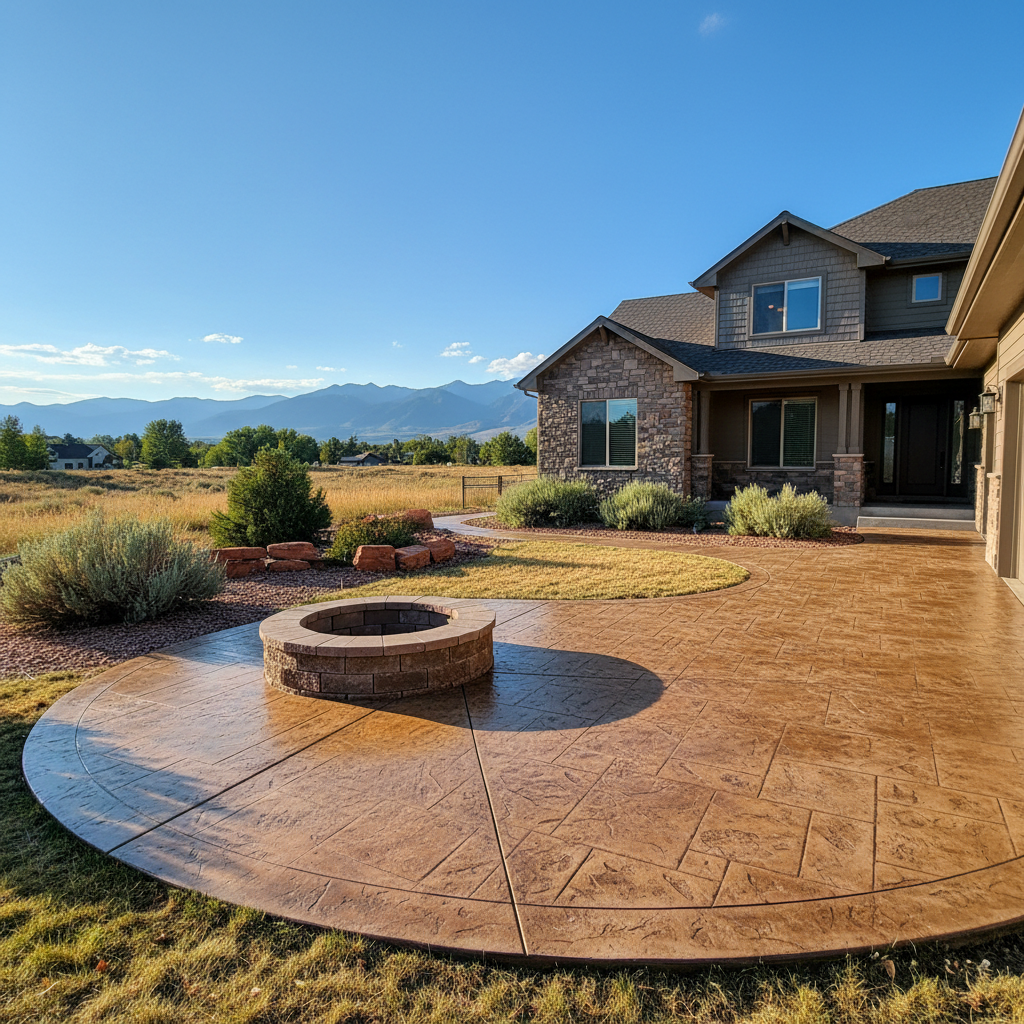
When's the Best Time for Concrete Work in Millcreek?
So, you're thinking about a new patio, maybe a driveway, or some fresh sidewalks around your place. That's great! But before we even get into designs or how many square feet you need, let's talk about timing. Here in Millcreek, when you pour concrete actually matters a whole lot more than most folks realize. It's not like painting a wall inside; the weather plays a huge role in how your concrete cures and, ultimately, how long it'll stick around.
Generally, I tell people the sweet spot for concrete installation in Utah is spring and fall. Think late April through June, and then again from September into early November. Why those times? It's all about temperature. Concrete really likes a moderate temperature range – ideally, somewhere between 50 and 80 degrees Fahrenheit. If it's too hot, the water in the mix evaporates way too fast, and that can lead to cracking and a weaker surface. But if it's too cold, the curing process slows down dramatically. And if it freezes before it gets strong enough? Well, then you're looking at major damage. We've certainly seen plenty of jobs where folks tried to rush things in the dead of winter or the scorching summer, and it just doesn't hold up.
What Weather Conditions Affect Concrete Installation?
Beyond just the temperature, there are a few other weather factors we're always keeping a close eye on. You'd be surprised how much of a difference these can make, honestly.
- Rain: This is a big one, a huge one even. You absolutely cannot pour concrete in the rain. It messes with the water-cement ratio, weakens the mix, and can wash away the surface paste. That leaves you with a sandy, weak finish. We always check the forecast religiously. If there's a good chance of rain, we're definitely rescheduling. It's always better to wait a day or two than to pour a bad slab, don't you think?
- Wind: A strong, dry wind can be almost as bad as too much sun. It speeds up the evaporation of water from the surface, which can cause what we call plastic shrinkage cracking. We've got ways to deal with this, like using curing compounds or temporary windbreaks, but calm days are always our first choice.
- Humidity: Low humidity, especially when it's windy or hot, means water evaporates faster. High humidity, on the other hand, can slow down the drying process, but it's generally less of a headache than low humidity for that initial cure.
- Freezing Temperatures: This is the ultimate no-go. Concrete needs time to gain strength before it can handle freezing. If water inside the concrete freezes, it expands and creates internal pressure, leading to spalling, scaling, and cracking. If temperatures are going to dip below freezing at night, even if it's warm during the day, we either need to take serious precautions or just postpone the job. This is especially true for those colder nights we get up by Olympus Cove.
Protecting Your Concrete Investment Year-Round
Once your beautiful new concrete is down, your job isn't quite finished. You've made an investment, and a little care really goes a long way in making it last for decades. Here are some year-round tips:
- Curing is Key: This starts the moment we finish the pour, but it's something you should understand. We'll use curing compounds or keep the concrete wet for the first few days. This slows down water evaporation and lets the concrete get to its maximum strength. Just don't walk or drive on it before we tell you it's ready!
- Sealing: I simply can't stress this enough. Concrete is porous, and here in Millcreek, we get snow, ice, and then hot sun. A good quality sealer, applied every few years (depending on how much traffic it gets and how much sun it sees), is your best friend. It protects against moisture getting in, freeze-thaw cycles, de-icing salts, and stains. Think of it like sunscreen for your concrete.
- De-icing Salts: Try to avoid using harsh de-icing salts like rock salt (sodium chloride) on your concrete, especially during its first year. These can be really aggressive and cause surface damage, often called scaling. Calcium chloride or magnesium chloride are generally safer alternatives, or even better, just use sand for traction.
- Clean Regularly: Sweep off debris, leaves, and dirt. Don't let organic matter just sit there and decompose on the surface; it can stain. For tougher stains, use a concrete-safe cleaner and a stiff brush, but be careful not to pressure wash too aggressively – that can actually erode the surface.
- Address Cracks Early: While we do everything we can to prevent them, concrete can crack. It's just the nature of the material. If you see small cracks forming, especially in high-traffic areas, get them sealed up. This stops water from getting in, freezing, and making the crack much, much worse.
Look, concrete is tough, but it's not invincible. By understanding how our local Millcreek climate affects it and taking a few simple steps, you can make sure your driveway, patio, or sidewalks from Kingdom Concrete Millcreek look great and perform flawlessly for many, many years to come. If you've got questions about your specific project or what to expect, just give us a call. We're always happy to talk you through it.